 United States
 United Kingdom
 Australia
 New Zealand
 Canada Federal General Holiday
National Day for Truth and Reconciliation and Orange Shirt Day
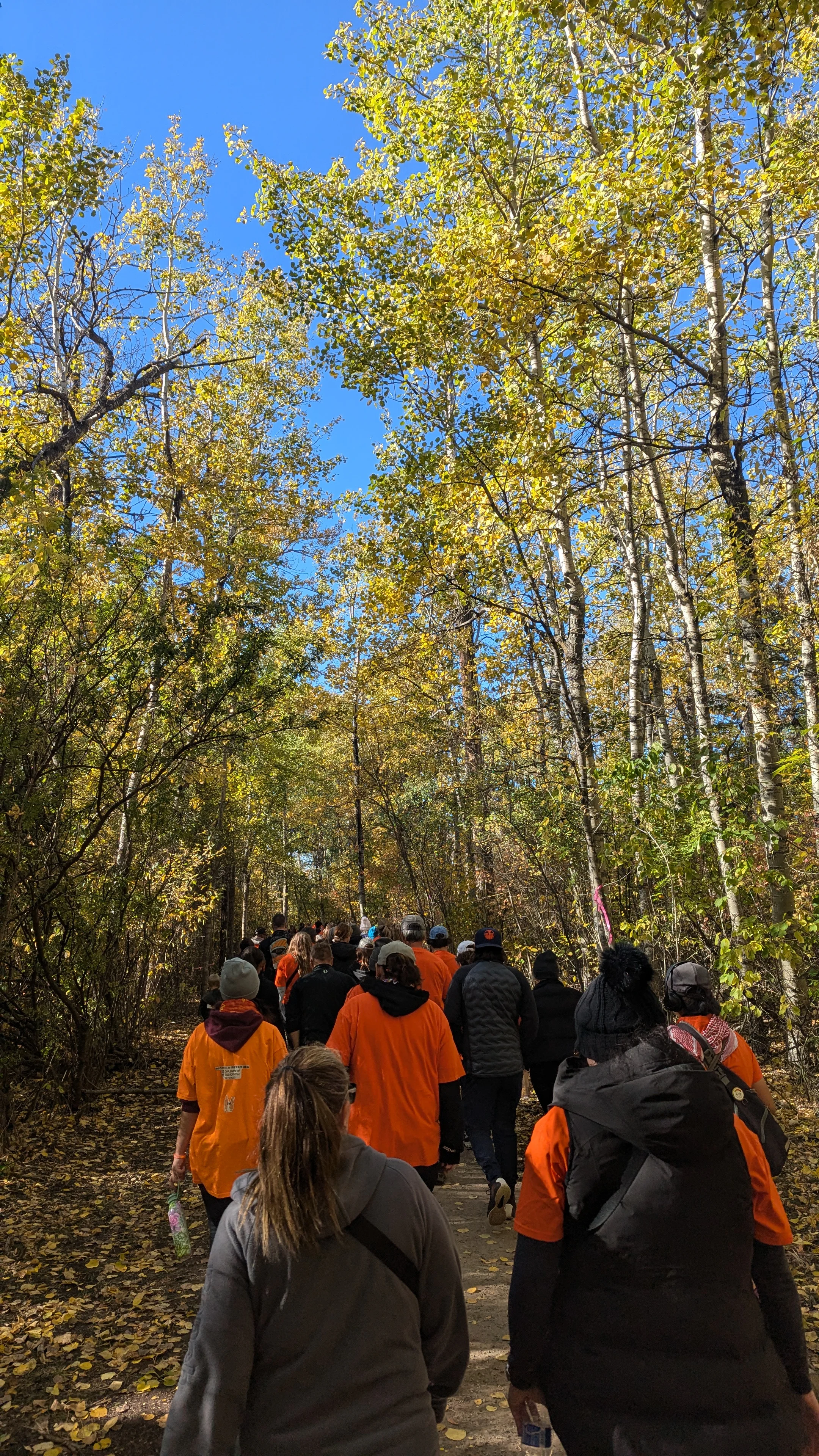
Canada observes the National Day for Truth and Reconciliation on September 30. It honours residential school Survivors, their families and communities, and the children who never returned home. September 30, 2027, falls on a Thursday.
When is National Day for Truth and Reconciliation in 2027?
- Holiday date

- Holiday date
See the surrounding dates on the September 2027 calendar.
- Holiday date
See the surrounding dates on the September 2028 calendar.
- Holiday date
See the surrounding dates on the September 2029 calendar.
- Holiday date
See the surrounding dates on the September 2030 calendar.
- Holiday date
See the surrounding dates on the September 2031 calendar.
- Holiday date
See the surrounding dates on the September 2032 calendar.
- Holiday date
See the surrounding dates on the September 2033 calendar.
- Holiday date
See the surrounding dates on the September 2034 calendar.
- Holiday date
See the surrounding dates on the September 2035 calendar.
- Holiday date
See the surrounding dates on the September 2036 calendar.
- Holiday date
See the surrounding dates on the September 2037 calendar.
September 30 is the fixed date of the federal holiday and Orange Shirt Day. Provincial and territorial employment and school calendars can differ. Check the Canadian Heritage guide to September 30 for the purpose of the day and links to commemorations.

At a Glance
- Holiday Status
- Federal General Holiday
- Where It Applies
- A general holiday under federal labour standards. Provinces and territories set separate rules for other workplaces.
What September 30 asks Canadians to remember
The day calls attention to the residential school system and its continuing effects on First Nations, Inuit and Métis people. Remembering the children who did not return home is central to the observance. So is listening to Survivors and families, who hold knowledge about their experiences and what communities need today. The National Centre for Truth and Reconciliation’s reports give readers access to the work of the Truth and Reconciliation Commission and to records that help put individual accounts in context.
In Call to Action 80, the Commission asked for a statutory holiday so that public commemoration of the history and legacy of residential schools would remain part of reconciliation. The first federal National Day for Truth and Reconciliation was observed in 2021. The federal government’s account of the day connects the 2021 observance to that call. September 30 is one opportunity to learn about those responsibilities. The Commission’s Calls to Action extend well beyond a single date.
Why people wear orange on September 30
Orange Shirt Day grew from the story of Phyllis Webstad, a Survivor whose new orange shirt was taken from her when she arrived at residential school. Orange Shirt Day has been observed since 2013. When you see the message Every Child Matters, read it alongside the Orange Shirt Society’s account of Phyllis’s story to understand why a personal item became a symbol that many communities recognize.
The two observances share the date and a focus on the experiences of children and Survivors. Their origins are distinct. Orange Shirt Day was established through community commemoration, and the federal holiday followed through legislation. In a school or workplace, wearing orange can accompany time set aside to listen to Survivor-led accounts or learn the names of local communities and institutions connected with this history. The June 21 National Indigenous Peoples Day guide explains a different observance that celebrates Indigenous cultures and contributions.
Where September 30 changes work and school schedules
September 30 is listed in the federal general holiday rules for employees in federally regulated workplaces. Provinces and territories set other employment standards and can apply the day differently. A province may close its schools or government offices under a policy that does not give every workplace the same schedule. Check the entry for your jurisdiction in the Canadian public holiday calendar and confirm whether it covers your workplace.
A local gathering, school assembly or ceremony may take place on a nearby school day. For attendance, use the date your school board has published in the Canada school holiday directory and confirm with the school. The fixed September 30 date remains a separate entry on the calendar.
Finding a local commemoration or learning resource
Look for events announced by local First Nations, Inuit or Métis organizations, Indigenous friendship centres, museums or libraries. Check whether an event is open to the public and whether the organizer has shared guidance for visitors. For reading at home or school, start with the National Centre’s educational resources. Put the event date and organizer on the September calendar so that you can find the invitation again. If you are choosing one resource for a class or workplace session, give readers enough time to engage with it and learn who produced it.
Related calendars and holiday guides
National Day for Truth and Reconciliation dates from 2027 to 2037
Open a date row to add it to your calendar.
| Year | Dates and Coverage |
|---|---|
| 2027 |
|
| 2028 |
|
| 2029 |
|
| 2030 |
|
| 2031 |
|
| 2032 |
|
| 2033 |
|
| 2034 |
|
| 2035 |
|
| 2036 |
|
| 2037 |
|
2026 Dates
| |


Rule-based dates follow the regular calendar and can change if a schedule is revised.