 United States
 Canada
 United Kingdom
 Australia
 New Zealand
Mutuwhenua at the End of the Lunar Month
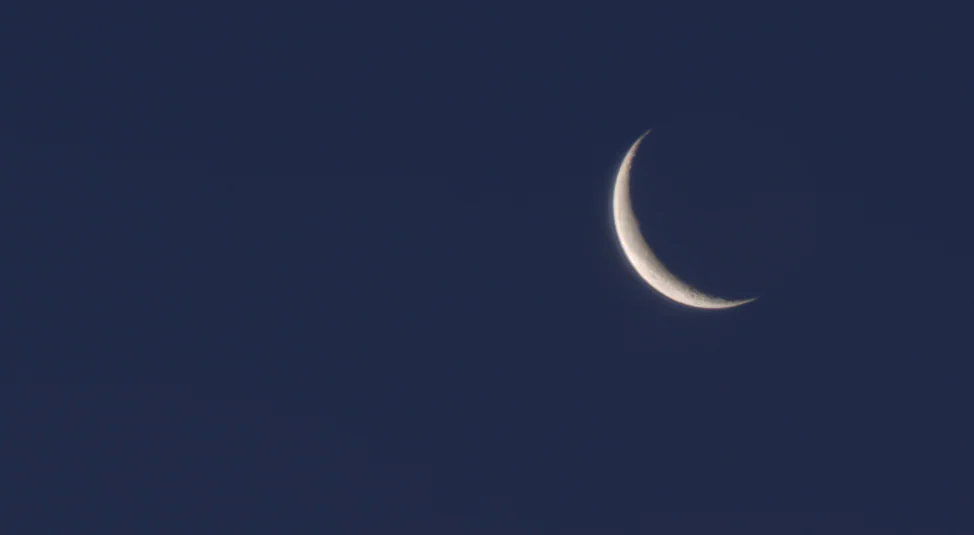
Mutuwhenua names a closing night near the dark end of the lunar cycle in many maramataka accounts. A slim waning crescent or a dark sky can accompany this part of the month. Local sequences place the boundary of one lunar month and the next in their own way.
When does Mutuwhenua fall in the lunar cycle?
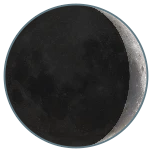
Mutuwhenua is a closing night in some maramataka. The visible waning crescent can fall close to the horizon before dawn. Compare the named nights in the Māori Calendar (Maramataka).
How does the Moon look near Mutuwhenua?
The waning crescent has become thin before the next dark Moon. In a clear sky a waning crescent is generally a pre-dawn sight. In maramataka the name conveys a place in an ongoing sequence of nights and observations, including local conditions relevant to the community. Read more about Mutuwhenua and its calendar in Museum of New Zealand Te Papa Tongarewa.
What comes after Mutuwhenua?
Whiro starts the next sequence in the version described here. The names and starting points vary across Aotearoa. A comparison with monthly Moon phases can help you recognise the waning end of the cycle. For the cultural date, follow the local sequence.
Can you see a waning crescent on a Mutuwhenua morning?
Near the close of a lunar cycle, a thin crescent may be very hard to see in the brightening sky. Visibility depends on time, horizon and conditions. In some maramataka the next named phase is Whiro. The two names describe positions in the cycle rather than a promise of visibility.
Continue to Whiro to compare the beginning of the next sequence.