 United States
 Canada
 United Kingdom
 Australia
 New Zealand
Naw-Rúz and the Bahá’í New Year
Naw-Rúz is the Bahá’í New Year. It follows the Nineteen-Day Fast and begins the first day of the Badí‘ year. The choice of astronomical reference affects which civil March date is listed.
When is Naw-Rúz in 2027?
- Observance date Badíʿ calendar · Begins at sunset the previous evening

- Observance date Badíʿ calendar · Begins at sunset the previous evening
- Observance date Badíʿ calendar · Begins at sunset the previous evening
- Observance date Badíʿ calendar · Begins at sunset the previous evening
- Observance date Badíʿ calendar · Begins at sunset the previous evening
- Observance date Badíʿ calendar · Begins at sunset the previous evening
- Observance date Badíʿ calendar · Begins at sunset the previous evening
- Observance date Badíʿ calendar · Begins at sunset the previous evening
- Observance date Badíʿ calendar · Begins at sunset the previous evening
- Observance date Badíʿ calendar · Begins at sunset the previous evening
- Observance date Badíʿ calendar · Begins at sunset the previous evening
The civil date follows the Badíʿ calendar’s March equinox rule for Tehran. Observance begins at sunset on the preceding evening. The Bahá’í Calendar (Badíʿ) shows where it falls in the rest of the year.
How is the Bahá’í New Year dated?
The Universal House of Justice uses the March equinox with Tehran as the point of reference. The result gives the first day in the Bahá’í date table. The festival starts the evening before the printed Gregorian daytime date because Bahá’í days turn at sunset. Read more about Naw-Rúz and its calendar in The Bahá’í World Centre.
How does the celebration follow the Fast?
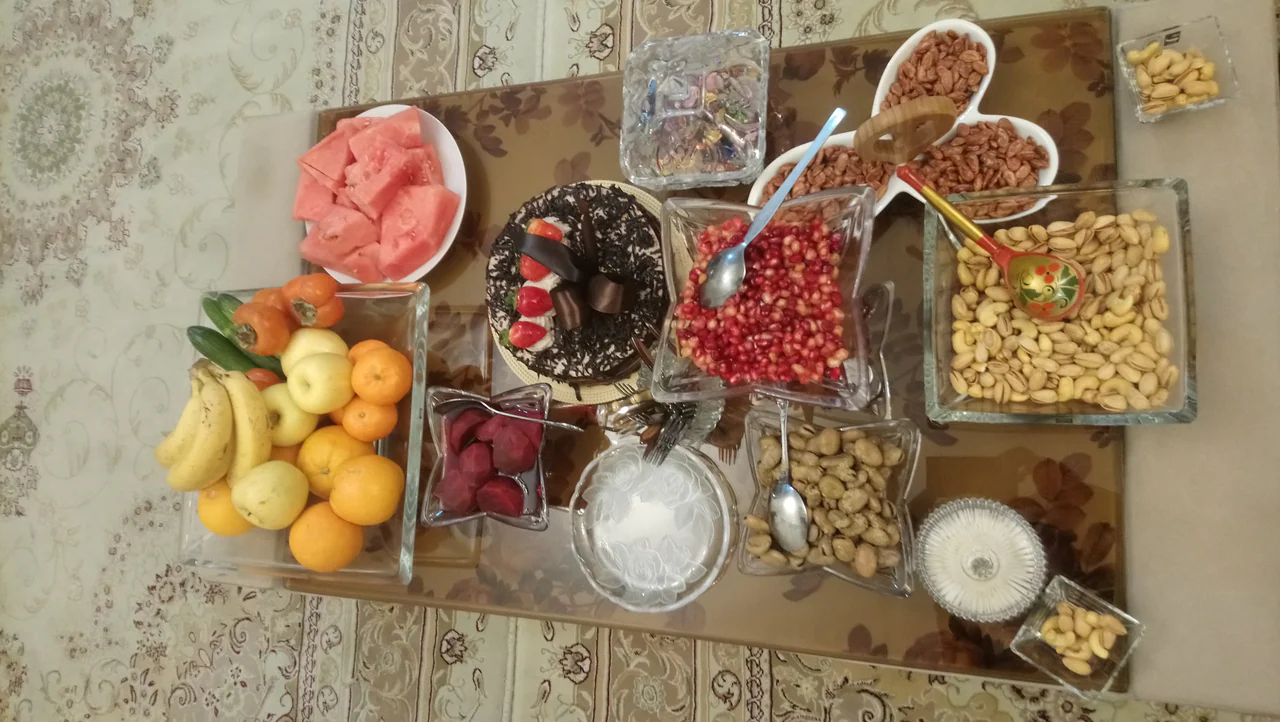
Naw-Rúz brings the fasting period to an end and begins a new year of Bahá’í months. People may gather for prayers, music and food. The festival shares a name and seasonal connection with Persian Nowruz. The Badíʿ and Solar Hijri calendars each have their own conventions.
Does Naw-Rúz use the equinox in my U.S. time zone?
The 2014 decision of the Universal House of Justice establishes Tehran as the reference for the calendar determination. A local gathering may start after sunset in your own community. Compare the last days of the Bahá’í fast for planning.
The Nineteen-Day Fast ends as Naw-Rúz begins, after the intercalary period of Ayyám-i-Há.
Naw-Rúz Dates by Year
Choose a year or calendar edition. Open a date for calendar downloads and the date reference.
| Year | Date and observance |
|---|---|
| 2027 | Badíʿ calendar · Begins at sunset the previous eveningAdd to CalendarNo date listed for this edition. |
| 2028 | Badíʿ calendar · Begins at sunset the previous eveningAdd to CalendarNo date listed for this edition. |
| 2029 | Badíʿ calendar · Begins at sunset the previous eveningAdd to CalendarNo date listed for this edition. |
| 2030 | Badíʿ calendar · Begins at sunset the previous eveningAdd to CalendarNo date listed for this edition. |
| 2031 | Badíʿ calendar · Begins at sunset the previous eveningAdd to CalendarNo date listed for this edition. |
| 2032 | Badíʿ calendar · Begins at sunset the previous eveningAdd to CalendarNo date listed for this edition. |
| 2033 | Badíʿ calendar · Begins at sunset the previous eveningAdd to CalendarNo date listed for this edition. |
| 2034 | Badíʿ calendar · Begins at sunset the previous eveningAdd to CalendarNo date listed for this edition. |
| 2035 | Badíʿ calendar · Begins at sunset the previous eveningAdd to CalendarNo date listed for this edition. |
| 2036 | Badíʿ calendar · Begins at sunset the previous eveningAdd to CalendarNo date listed for this edition. |
| 2037 | Badíʿ calendar · Begins at sunset the previous eveningAdd to CalendarNo date listed for this edition. |
 Google Calendar