 United States
 Canada
 United Kingdom
 Australia
 New Zealand Public Holiday
Matariki in New Zealand, 25 June and the Māori New Year
Matariki is a public holiday on Friday 25 June in 2027. It acknowledges the Māori New Year. Some iwi also look to Puanga or follow local traditions that mark the season in different ways.
When is Matariki in 2027?
- Holiday date National

- Holiday date National
See the surrounding dates on the June 2027 calendar.
- Holiday date National
See the surrounding dates on the July 2028 calendar.
- Holiday date National
See the surrounding dates on the July 2029 calendar.
- Holiday date National
See the surrounding dates on the June 2030 calendar.
- Holiday date National
See the surrounding dates on the July 2031 calendar.
- Holiday date National
See the surrounding dates on the July 2032 calendar.
- Holiday date National
See the surrounding dates on the June 2033 calendar.
- Holiday date National
See the surrounding dates on the July 2034 calendar.
- Holiday date National
See the surrounding dates on the June 2035 calendar.
- Holiday date National
See the surrounding dates on the July 2036 calendar.
- Holiday date National
See the surrounding dates on the July 2037 calendar.
The Te Kāhui o Matariki Public Holiday Act schedule gives the national public holiday dates. The date moves between June and July and is set by the published schedule.

At a Glance
- Holiday Status
- Public Holiday
- Where It Applies
- A nationwide public holiday. Weekend transfers can depend on the days you normally work.
Why is Matariki on a different Friday each year?
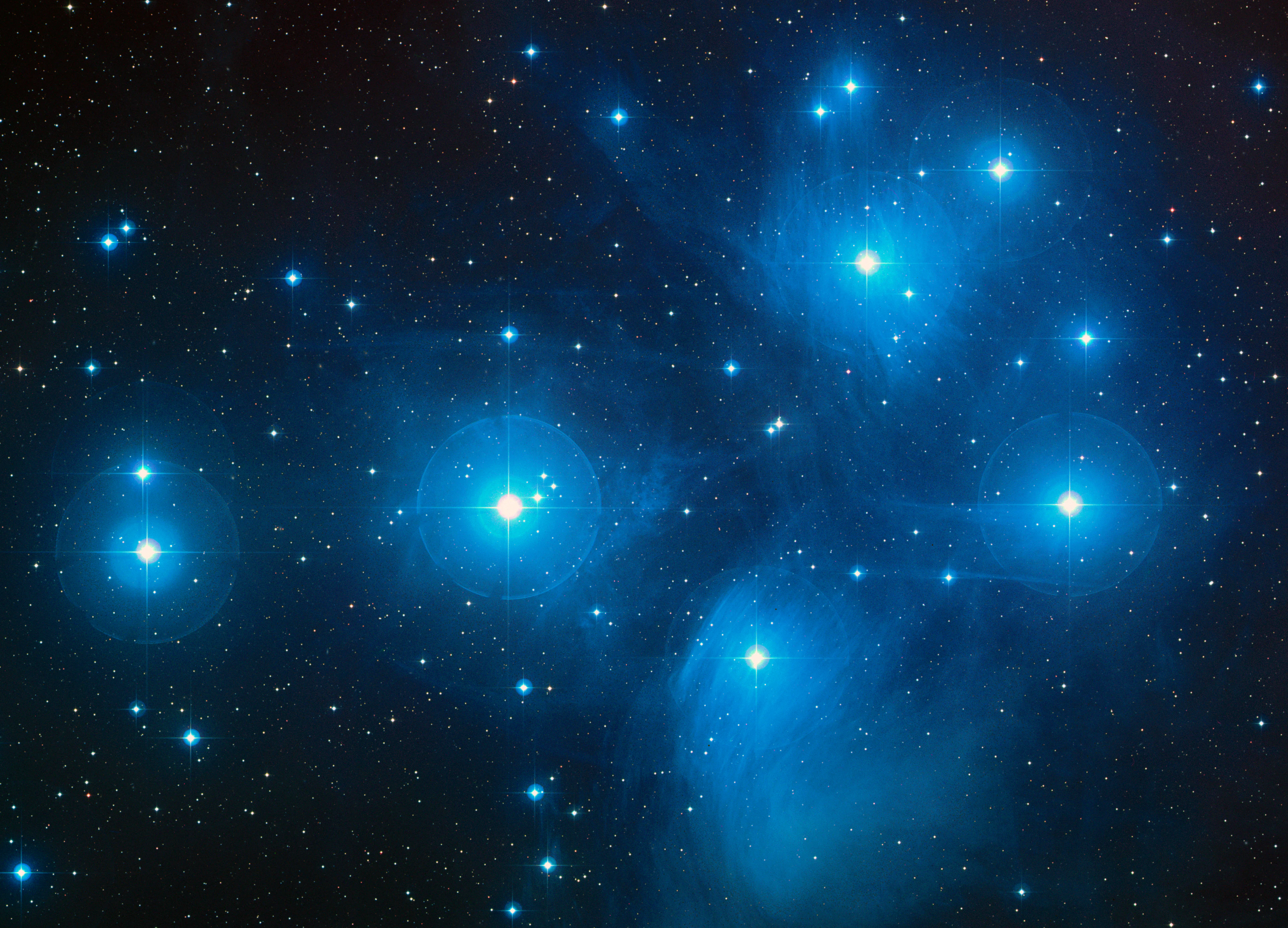
Matariki is the Māori name for the Pleiades cluster. Its reappearance in the winter sky has been associated with the Māori New Year in many traditions. The public holiday is designated by a statutory schedule rather than kept on one fixed Gregorian date. In 2026 it was Friday 10 July. In 2027 it is Friday 25 June, and the schedule lists Friday 14 July for 2028.
The Employment New Zealand holiday calendar lists the statutory Friday. A stargazing event may choose a different morning for local conditions, visibility and community arrangements. The public holiday gives you an employment and service date, while a local astronomical or cultural programme tells you where and when to take part.
What does Matariki mark?
Matariki can be a time to remember those who have died, come together in the present and look toward the year ahead. A whānau or local group may mark the season with shared food, kōrero, learning or a public event. Those activities can take place over a period rather than on a single morning. Ask the host whether an event is public or held for a particular community.
The Maramataka calendar offers context for the use of lunar cycles in Māori calendars. It is useful to keep the national date for a paid holiday separate from a local account of moon phases, stars or the seasonal practices of an iwi or hapū.
The Matariki public holiday resource describes remembrance, celebrating the present and looking to the future as three principles. These offer practical ways to understand what a programme is doing. A remembrance ceremony can focus on people who have died, while a gathering for shared kai or a discussion about plans for the coming year can express other parts of the observance. Read the local programme before assuming all activities follow the same format.
Why do some iwi observe Puanga instead?
Te Papa’s account of Puanga and Matariki describes how some iwi look to Puanga, also known as Rigel. Local horizons and the visibility of Matariki are among the reasons different traditions developed. These observances can acknowledge the same season while following knowledge specific to their own rohe.
There is also variation in kōrero about the number of stars identified in the cluster. Te Papa’s guide to regional accounts explains why seven and nine can both appear when reading about Matariki. A local programme is a better guide to the tradition being shared at a particular event than a list of stars copied into a general calendar.
How can you plan for the June long weekend?
Use the New Zealand June 2027 calendar to place Friday 25 June alongside Saturday 26 and Sunday 27. A public holiday can affect work and operating hours. A dawn ceremony, museum session and evening light display can each have a separate start time. Check whether a programme requires booking and where it will take place.
Waitangi Day is another national public holiday, with a February date and separate weekend transfer rules. Together the two guides can help when placing cultural events and employment holidays on the same yearly calendar. A local Matariki celebration can continue after the Friday, even when ordinary business hours resume.
Related calendars and holiday guides
Matariki dates from 2027 to 2037
Open a date row to add it to your calendar.
| Year | Dates and Coverage |
|---|---|
| 2027 |
|
| 2028 |
|
| 2029 |
|
| 2030 |
|
| 2031 |
|
| 2032 |
|
| 2033 |
|
| 2034 |
|
| 2035 |
|
| 2036 |
|
| 2037 |
|
2026 Dates
| |