Search PrintCalendar365

2033 Moon Phases for Australia

See when the Moon changes phase, how much is lit each day and what to look for in your city’s time zone.

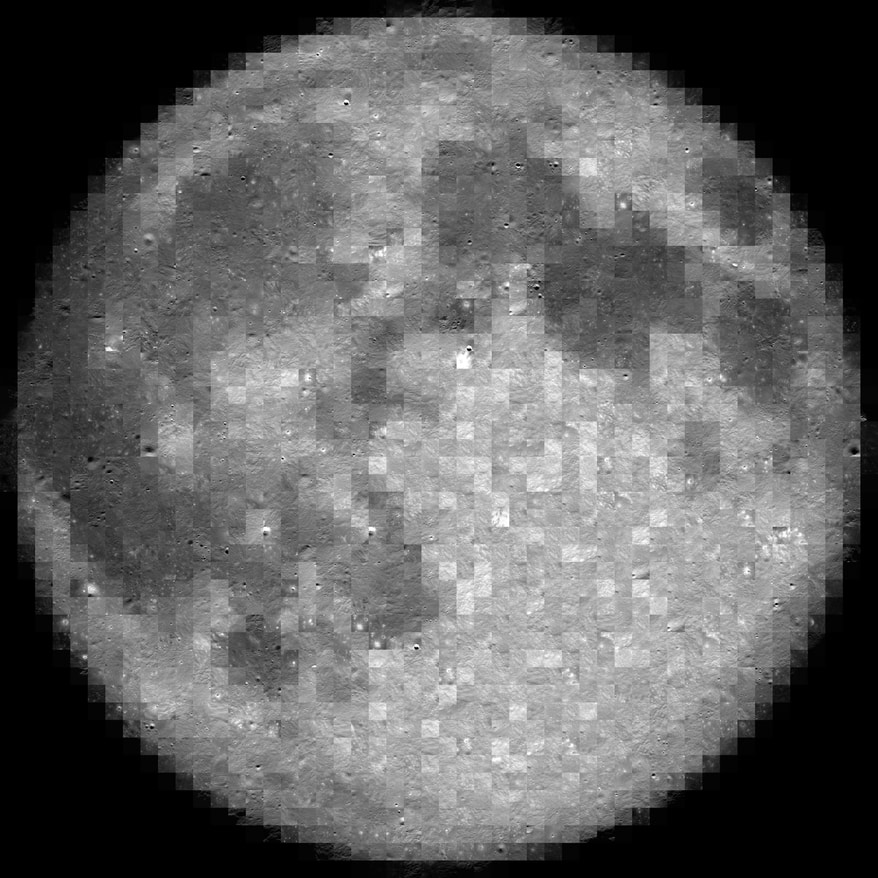
Full face of the Moon showing craters and dark plains

Printable 2033 Moon Calendars

Calendar Period

Location

Calendar time zone

AustraliaAustralia/Sydney

2033 Lunar Calendar

Phase times use the selected time zone and a 24-hour clock.

January

  • New MoonJan 1

    The side facing Earth is mostly dark.

  • First QuarterJan 8

    Half the disk is lit and the bright area is growing.

  • Full MoonJan 16

    Nearly the entire visible disk is lit.

  • Last QuarterJan 24

    Half the disk is lit and the bright area is shrinking.

  • New MoonJan 31

    The side facing Earth is mostly dark.

February

  • First QuarterFeb 7

    Half the disk is lit and the bright area is growing.

  • Full MoonFeb 14

    Nearly the entire visible disk is lit.

  • Last QuarterFeb 22

    Half the disk is lit and the bright area is shrinking.

March

  • New MoonMar 1

    The side facing Earth is mostly dark.

  • First QuarterMar 8

    Half the disk is lit and the bright area is growing.

  • Full MoonMar 16

    Nearly the entire visible disk is lit.

  • Last QuarterMar 24

    Half the disk is lit and the bright area is shrinking.

  • New MoonMar 31

    The side facing Earth is mostly dark.

April

  • First QuarterApr 7

    Half the disk is lit and the bright area is growing.

  • Full MoonApr 15

    Nearly the entire visible disk is lit.

  • Last QuarterApr 22

    Half the disk is lit and the bright area is shrinking.

  • New MoonApr 29

    The side facing Earth is mostly dark.

May

  • First QuarterMay 6

    Half the disk is lit and the bright area is growing.

  • Full MoonMay 14

    Nearly the entire visible disk is lit.

  • Last QuarterMay 22

    Half the disk is lit and the bright area is shrinking.

  • New MoonMay 28

    The side facing Earth is mostly dark.

June

  • First QuarterJun 5

    Half the disk is lit and the bright area is growing.

  • Full MoonJun 13

    Nearly the entire visible disk is lit.

  • Last QuarterJun 20

    Half the disk is lit and the bright area is shrinking.

  • New MoonJun 27

    The side facing Earth is mostly dark.

July

  • First QuarterJul 5

    Half the disk is lit and the bright area is growing.

  • Full MoonJul 12

    Nearly the entire visible disk is lit.

  • Last QuarterJul 19

    Half the disk is lit and the bright area is shrinking.

  • New MoonJul 26

    The side facing Earth is mostly dark.

August

  • First QuarterAug 3

    Half the disk is lit and the bright area is growing.

  • Full MoonAug 11

    Nearly the entire visible disk is lit.

  • Last QuarterAug 17

    Half the disk is lit and the bright area is shrinking.

  • New MoonAug 25

    The side facing Earth is mostly dark.

September

  • First QuarterSep 2

    Half the disk is lit and the bright area is growing.

  • Full MoonSep 9

    Nearly the entire visible disk is lit.

  • Last QuarterSep 16

    Half the disk is lit and the bright area is shrinking.

  • New MoonSep 23

    The side facing Earth is mostly dark.

October

  • First QuarterOct 2

    Half the disk is lit and the bright area is growing.

  • Full MoonOct 8

    Nearly the entire visible disk is lit.

  • Last QuarterOct 15

    Half the disk is lit and the bright area is shrinking.

  • New MoonOct 23

    The side facing Earth is mostly dark.

  • First QuarterOct 31

    Half the disk is lit and the bright area is growing.

November

  • Full MoonNov 7

    Nearly the entire visible disk is lit.

  • Last QuarterNov 14

    Half the disk is lit and the bright area is shrinking.

  • New MoonNov 22

    The side facing Earth is mostly dark.

  • First QuarterNov 30

    Half the disk is lit and the bright area is growing.

December

  • Full MoonDec 6

    Nearly the entire visible disk is lit.

  • Last QuarterDec 14

    Half the disk is lit and the bright area is shrinking.

  • New MoonDec 22

    The side facing Earth is mostly dark.

  • First QuarterDec 29

    Half the disk is lit and the bright area is growing.

How the Calendar Is Calculated

The U.S. Naval Observatory supplies the four primary phase times. Each phase occurs at the same instant worldwide. Its date and clock time are shown in the selected city’s IANA time zone.

In a monthly calendar, choose a city and a day to see estimated Moonrise and Moonset for the city’s coordinates. Astronomy Engine also calculates illumination at local noon. Locations come from GeoNames under CC BY 4.0.

Moon disks use NASA Scientific Visualization Studio lunar surface maps from the Lunar Reconnaissance Orbiter. Printable disks model the geocentric view with a northern or southern orientation. The Moon’s apparent tilt in your sky varies with your position and the time of night.

Explore astronomy events and daylight · View the 2033 calendar