Search PrintCalendar365

2036 Moon Phases for Australia

See when the Moon changes phase, how much is lit each day and what to look for in your city’s time zone.

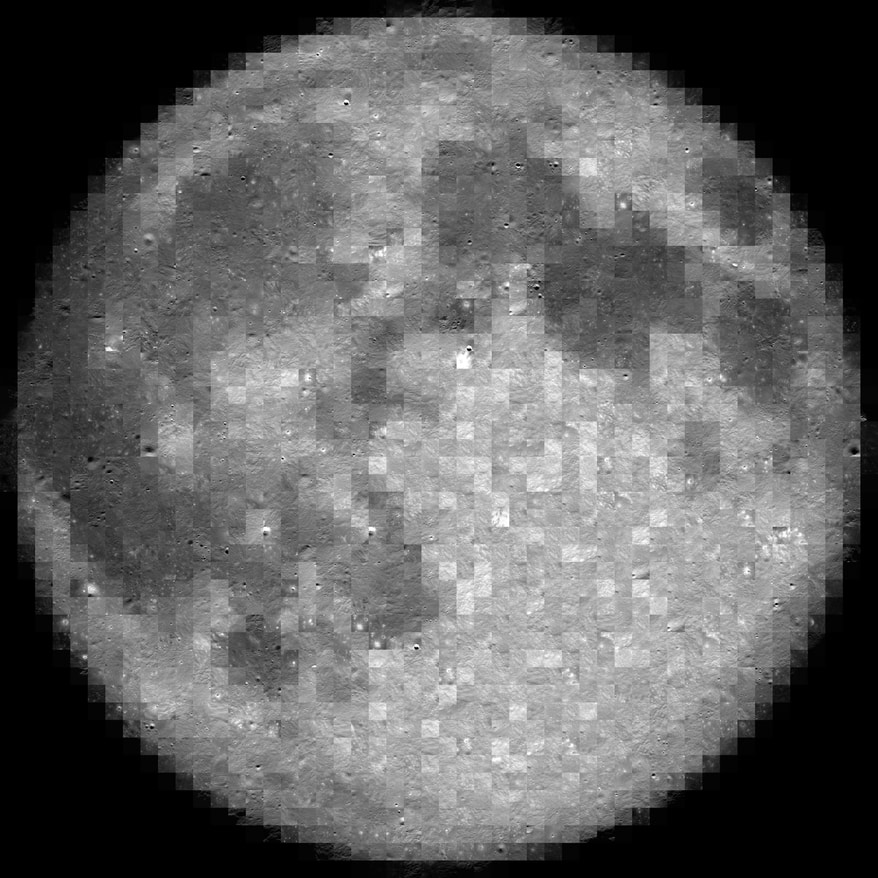
Full face of the Moon showing craters and dark plains

Printable 2036 Moon Calendars

Calendar Period

Location

Calendar time zone

AustraliaAustralia/Sydney

2036 Lunar Calendar

Phase times use the selected time zone and a 24-hour clock.

January

  • First QuarterJan 7

    Half the disk is lit and the bright area is growing.

  • Full MoonJan 13

    Nearly the entire visible disk is lit.

  • Last QuarterJan 20

    Half the disk is lit and the bright area is shrinking.

  • New MoonJan 28

    The side facing Earth is mostly dark.

February

  • First QuarterFeb 5

    Half the disk is lit and the bright area is growing.

  • Full MoonFeb 12

    Nearly the entire visible disk is lit.

  • Last QuarterFeb 19

    Half the disk is lit and the bright area is shrinking.

  • New MoonFeb 27

    The side facing Earth is mostly dark.

March

  • First QuarterMar 6

    Half the disk is lit and the bright area is growing.

  • Full MoonMar 12

    Nearly the entire visible disk is lit.

  • Last QuarterMar 20

    Half the disk is lit and the bright area is shrinking.

  • New MoonMar 28

    The side facing Earth is mostly dark.

April

  • First QuarterApr 4

    Half the disk is lit and the bright area is growing.

  • Full MoonApr 11

    Nearly the entire visible disk is lit.

  • Last QuarterApr 19

    Half the disk is lit and the bright area is shrinking.

  • New MoonApr 26

    The side facing Earth is mostly dark.

May

  • First QuarterMay 3

    Half the disk is lit and the bright area is growing.

  • Full MoonMay 10

    Nearly the entire visible disk is lit.

  • Last QuarterMay 18

    Half the disk is lit and the bright area is shrinking.

  • New MoonMay 26

    The side facing Earth is mostly dark.

June

  • First QuarterJun 1

    Half the disk is lit and the bright area is growing.

  • Full MoonJun 9

    Nearly the entire visible disk is lit.

  • Last QuarterJun 17

    Half the disk is lit and the bright area is shrinking.

  • New MoonJun 24

    The side facing Earth is mostly dark.

July

  • First QuarterJul 1

    Half the disk is lit and the bright area is growing.

  • Full MoonJul 8

    Nearly the entire visible disk is lit.

  • Last QuarterJul 17

    Half the disk is lit and the bright area is shrinking.

  • New MoonJul 23

    The side facing Earth is mostly dark.

  • First QuarterJul 30

    Half the disk is lit and the bright area is growing.

August

  • Full MoonAug 7

    Nearly the entire visible disk is lit.

  • Last QuarterAug 15

    Half the disk is lit and the bright area is shrinking.

  • New MoonAug 22

    The side facing Earth is mostly dark.

  • First QuarterAug 29

    Half the disk is lit and the bright area is growing.

September

  • Full MoonSep 6

    Nearly the entire visible disk is lit.

  • Last QuarterSep 13

    Half the disk is lit and the bright area is shrinking.

  • New MoonSep 20

    The side facing Earth is mostly dark.

  • First QuarterSep 27

    Half the disk is lit and the bright area is growing.

October

  • Full MoonOct 5

    Nearly the entire visible disk is lit.

  • Last QuarterOct 13

    Half the disk is lit and the bright area is shrinking.

  • New MoonOct 19

    The side facing Earth is mostly dark.

  • First QuarterOct 27

    Half the disk is lit and the bright area is growing.

November

  • Full MoonNov 4

    Nearly the entire visible disk is lit.

  • Last QuarterNov 11

    Half the disk is lit and the bright area is shrinking.

  • New MoonNov 18

    The side facing Earth is mostly dark.

  • First QuarterNov 26

    Half the disk is lit and the bright area is growing.

December

  • Full MoonDec 4

    Nearly the entire visible disk is lit.

  • Last QuarterDec 10

    Half the disk is lit and the bright area is shrinking.

  • New MoonDec 18

    The side facing Earth is mostly dark.

  • First QuarterDec 26

    Half the disk is lit and the bright area is growing.

How the Calendar Is Calculated

The U.S. Naval Observatory supplies the four primary phase times. Each phase occurs at the same instant worldwide. Its date and clock time are shown in the selected city’s IANA time zone.

In a monthly calendar, choose a city and a day to see estimated Moonrise and Moonset for the city’s coordinates. Astronomy Engine also calculates illumination at local noon. Locations come from GeoNames under CC BY 4.0.

Moon disks use NASA Scientific Visualization Studio lunar surface maps from the Lunar Reconnaissance Orbiter. Printable disks model the geocentric view with a northern or southern orientation. The Moon’s apparent tilt in your sky varies with your position and the time of night.

Explore astronomy events and daylight · View the 2036 calendar