
 United States
 Canada
 United Kingdom
 Australia
 New Zealand
Why Leap Years Have February 29 and How to Plan for It
Use the Gregorian leap-year rule and check birthdays, repeating events and date counts around February 29.
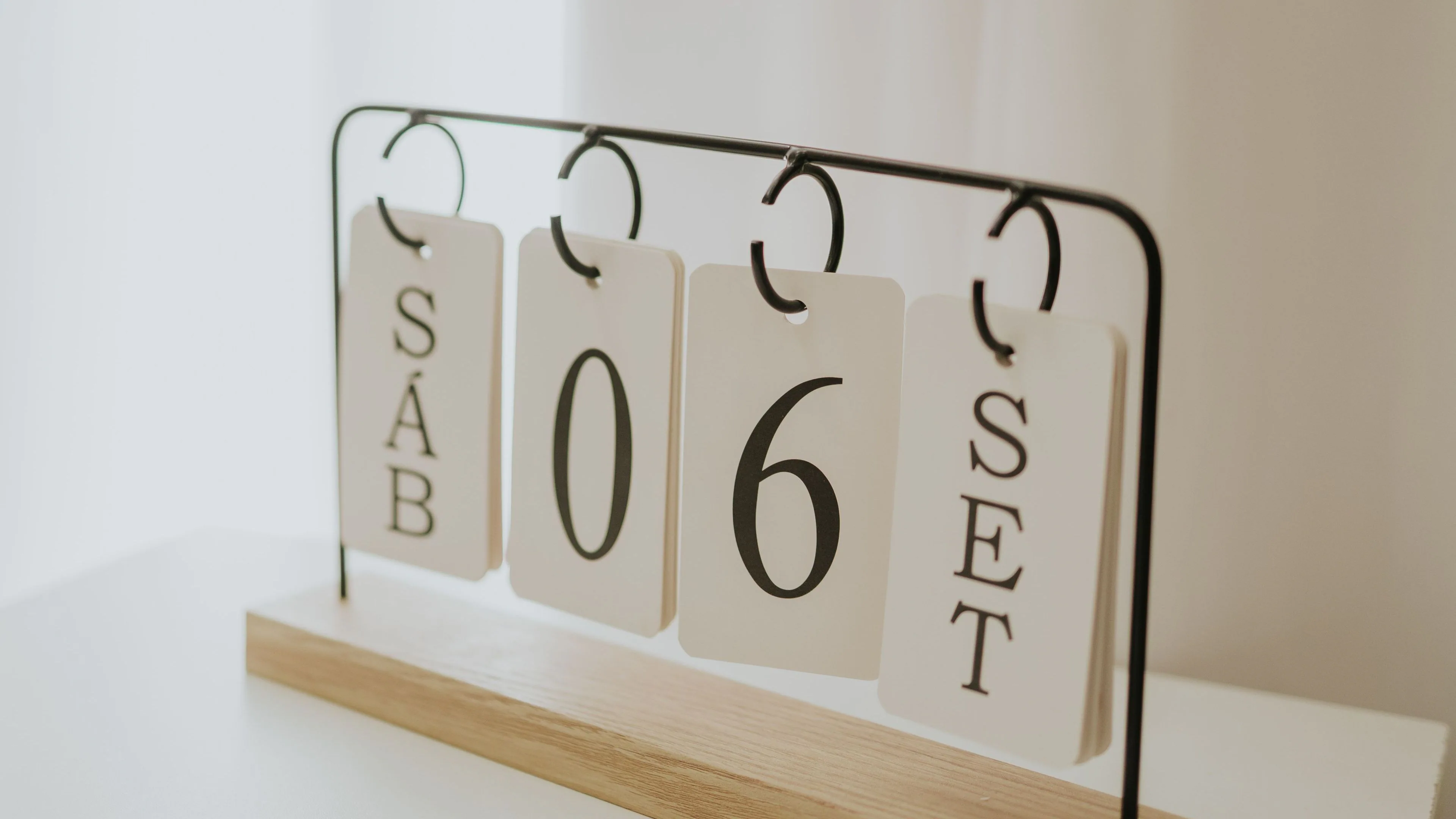
The next February 29 is Tuesday, February 29, 2028. In the Gregorian calendar, a year divisible by four is usually a leap year. Years divisible by 100 are exceptions unless they are also divisible by 400. That is why 2000 had February 29, while 2100 will end February on the 28th.
The extra day keeps the calendar aligned closely with the seasons over long periods. For everyday planning it has three direct effects. February contains an additional date, some recurring events need a decision about what to do when that date is absent, and any count that crosses the day needs to include it.
Why the calendar needs an extra day
The seasonal cycle is about 365.2422 days. A civil calendar uses a whole number of days each year, so most years have 365. A leap year adds one day to February. Over four centuries, the Gregorian rule adds 97 days. The resulting average year is 365.2425 days, close to the seasonal cycle.
The NASA’s Gregorian calendar reference traces how the century exceptions keep the average closer to that cycle than simply adding a day every four years. To test a year by hand, check for a multiple of 400 first. A multiple of 400 is a leap year. Otherwise, a multiple of 100 is a common year. A year that passes neither test is a leap year if it is divisible by four.
For upcoming editions, 2028, 2032 and 2036 have February 29. The closest century exception is 2100. The leap year calculator is useful when you are checking multiple years or preparing a future calendar. For other calendar systems, consult the rules for that calendar. A leap month in another system serves its own calendar’s adjustment and has a different effect on dates.
Check the dates on both sides of February 29
In 2028, February 28 is Monday, February 29 is Tuesday, and March 1 is Wednesday. In that leap year March 1 is the 61st day of the year. In a common year, it is the 60th. Keep that difference in mind when you copy a day-of-year record from a previous edition.
A simple date count shows why the wording of a request matters. From February 28 to March 1, 2028, two midnight boundaries are crossed. If you count the listed dates including both endpoints, the list contains three dates. In a common year, the comparable count is one elapsed day or two listed dates. If someone requests a stay or a handover “for three days,” ask whether the end date is included before marking the schedule.
Use Days Between Dates for a specific range and check its endpoint setting. If your records identify dates by the day of the year, the Julian Date Calendar can show the numbered day of the Gregorian year. Check what the term means in your source, since “Julian date” can refer to more than one system.
Decide what recurring February 29 events should do
For a personal birthday or yearly reminder, choose how you wish to mark it in years without a February 29. Some people choose February 28. Others choose March 1. A strict yearly rule tied to the 29th alone may show no reminder in an ordinary year, depending on the app and how it handles recurrence. Create and inspect a test entry in both a leap and a common year if the reminder matters.
For a recurring task such as a household inspection or monthly report, distinguish “on the 29th” from “on the last day of February.” In a leap year those coincide. In a common year only the second rule always yields a February date. Write down which one you intended so the next person to edit the calendar can keep that behavior.
An institution can set a different rule for an official deadline or age-based process. Check the date supplied by the organization that administers it. A social reminder you set on one day gives no information about the date used by that organization.
Some recurring bills, checklists and forms already use a rule such as “the last business day of February.” That adds a weekday condition as well as the month boundary. Check the published rule for the event, then verify the selected day in the year you are planning. A recurring note copied from a different February may point to the wrong weekday.
Update a printed calendar and its companion records
Look at your February grid and verify the weekday headings before marking the added date. If you use a reusable blank grid, write the month and year and leave cells after February 29 empty or label them clearly as March. The undated calendar guide has a quick check for number placement and row count. If several people use the sheet, label extra days from the next month so no one reads March 1 as a February appointment.
With a dated calendar, open the appropriate month, such as February 2028, rather than reusing the previous year’s February design. Check any dates you carried forward into March. Two consecutive years can have different weekday patterns even when many appointments use the same month and day number.
For reporting, verify what your source expects. An ISO week includes seven complete days and keeps its own year label, so a leap day does not automatically create a 53-week year. The ISO week guide explains what has to happen for Week 53 to appear. Keeping the month date, ordinal day and week label distinct helps you spot errors before publishing a schedule that others rely on.
February 29 comes once in a leap year. If you can verify the date, write the intended recurrence in ordinary language, and confirm how your count includes the endpoints, most calendar surprises around that day disappear.
Related Calendar Guides
All Blog Posts-
 Calendar Basics
ISO Week Numbers Explained, Including Week 53
Learn how to find ISO Week 1, why some January dates belong to the previous week-year, and when Week 53 appears.
-
 Printing
How to Fill In a Blank Calendar Without Running Out of Rows
Number any undated monthly grid, test whether you need five or six rows, and reuse your blank calendar next month.