
 United States
 Canada
 United Kingdom
 Australia
 New Zealand
How to Read a Moon Phase Calendar in Your Local Time
Interpret the four primary lunar phases, convert their dates to your time zone, and plan when and where to look up.
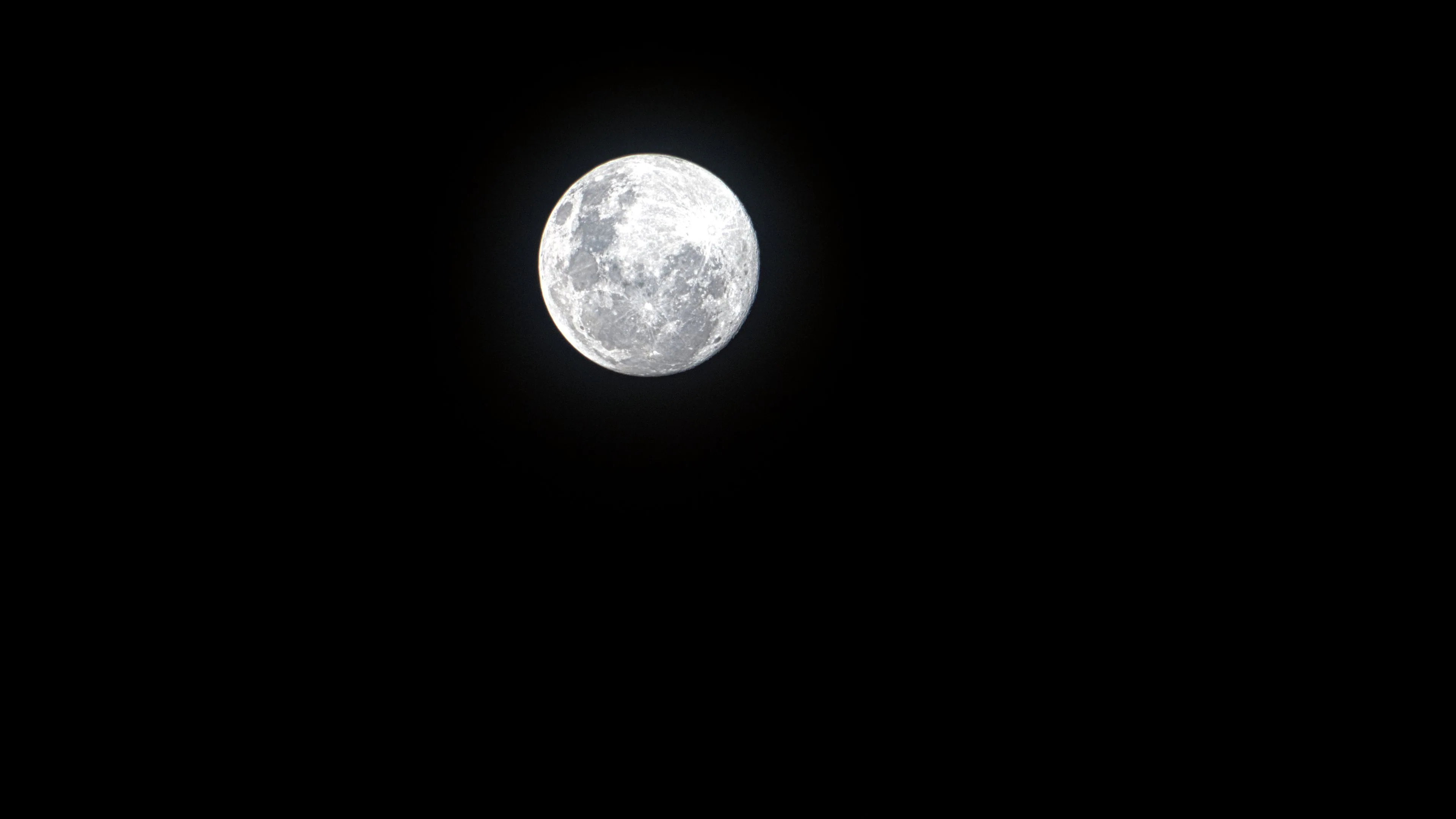
Read a Moon phase calendar by choosing your city or time zone first, then checking the date and local time beside the phase. New Moon, First Quarter, Full Moon and Last Quarter mark specific moments in the cycle. The same moment can fall on different dates on two calendars. Seeing two dates for one Full Moon often means the lists use different time zones.
If your goal is to go outside and look, use the phase time to understand which part of the cycle you are in. Then check whether the Moon will be above the horizon during your viewing window. Weather, buildings, trees and the brightness of your surroundings can have a bigger effect on the experience than the exact minute printed in the calendar.
Understand the four primary markers
NASA’s Moon phases guide explains how the part of the Moon lit by the Sun appears to change during an orbit. New Moon is the dark-facing part of the cycle as seen from Earth, with the Moon near the Sun in the sky. First Quarter occurs about a quarter of the way through the cycle, and roughly half of the visible disk is lit. Full Moon is opposite the Sun in the sky around the middle of the cycle. Last Quarter is the later half-lit phase.
“Quarter” refers to progress through the cycle. It does not mean a quarter of the disk is illuminated. In between the primary phases, a crescent shows less than half of the disk illuminated and a gibbous Moon shows more than half. Waxing means the visible illuminated fraction is growing. Waning means it is shrinking.
A primary phase is a precise point in a continuous change. The difference between the view a few hours before Full Moon and a few hours after may be hard to notice with the naked eye. This makes an evening near the marked date a sensible alternative when the forecast or your schedule makes the exact day inconvenient.
Convert the phase time before comparing dates
Astronomy tables often give dates and times in Universal Time. Look at the time standard before copying entries. A table printed in universal time can be compared with a local calendar by converting the same instant using the city’s offset on that date. NASA’s 2026 lunar visualization also lets you compare the Moon’s appearance at hourly intervals.
For example, the Full Moon on June 29, 2026 occurred at around 23:56 Universal Time. In New York, the corresponding local time is 7:56 pm on June 29. In Auckland, it is 11:56 am on June 30. The phases describe the same instant. Each printed date is correct for its time zone.
Open the Moon Calendar and use your current location or the city you are visiting. If you are comparing a print from home with another person’s calendar abroad, write the city name beside the figures. An offset can differ by season, so use the actual date for comparisons. The clock-change scheduling guide explains how to handle dates that fall near a seasonal offset change.
Use Moonrise and weather to plan a viewing window
A phase table says when a phase occurs. A rise-and-set table answers when the Moon is visible above your local horizon, assuming a clear line of sight. A full phase can happen during your daytime or while the Moon is below your horizon. For a night out, find the evening or early morning when both the sky and your schedule give you a chance to see it.
If you want to see craters and texture, consider a quarter or another phase near it. Shadows near the line between light and dark can make features easier to see with binoculars. For a night of looking at faint stars, choose a period with little moonlight or check when the Moon sets. A bright full Moon and a dark-sky viewing session serve different purposes.
Check your local forecast close to the date. For a city skyline photo, the direction of moonrise and the view from your chosen spot matter as much as the date. For a general observation, an open view and a safe place to stand are enough to start. Use the Astronomy Calendar to see whether the date coincides with another event worth checking in your city.
Put useful details on a printed lunar calendar
Pick a monthly sheet if you are recording observations. Mark the date, the time and the city beside the symbol. If you keep a year overview, add a smaller note for particularly useful weekends or dates you can actually go outside. Write the time zone on every print you share, especially if the group includes people in different places.
For a classroom activity, have people compare two city listings for a phase near midnight. Ask them to identify the same instant and then sort the times by local date. The example works best when the location is prominent on each page. Use symbols alongside text labels if the pages will be printed in grayscale or read at a distance.
Some religious or cultural calendars use an announcement or local crescent sighting to begin a month. A calculated New Moon is an astronomical marker with a distinct meaning. Check the calendar or authority that serves the observance if you need its actual start date. The religious holiday calendar explains the dating basis where that matters.
Before you go out, confirm the place, the local date, and when the Moon is above the horizon. Together those three details turn a phase mark on paper into a viewing plan you can use.
Related Calendar Guides
All Blog Posts-
 Calendar Basics
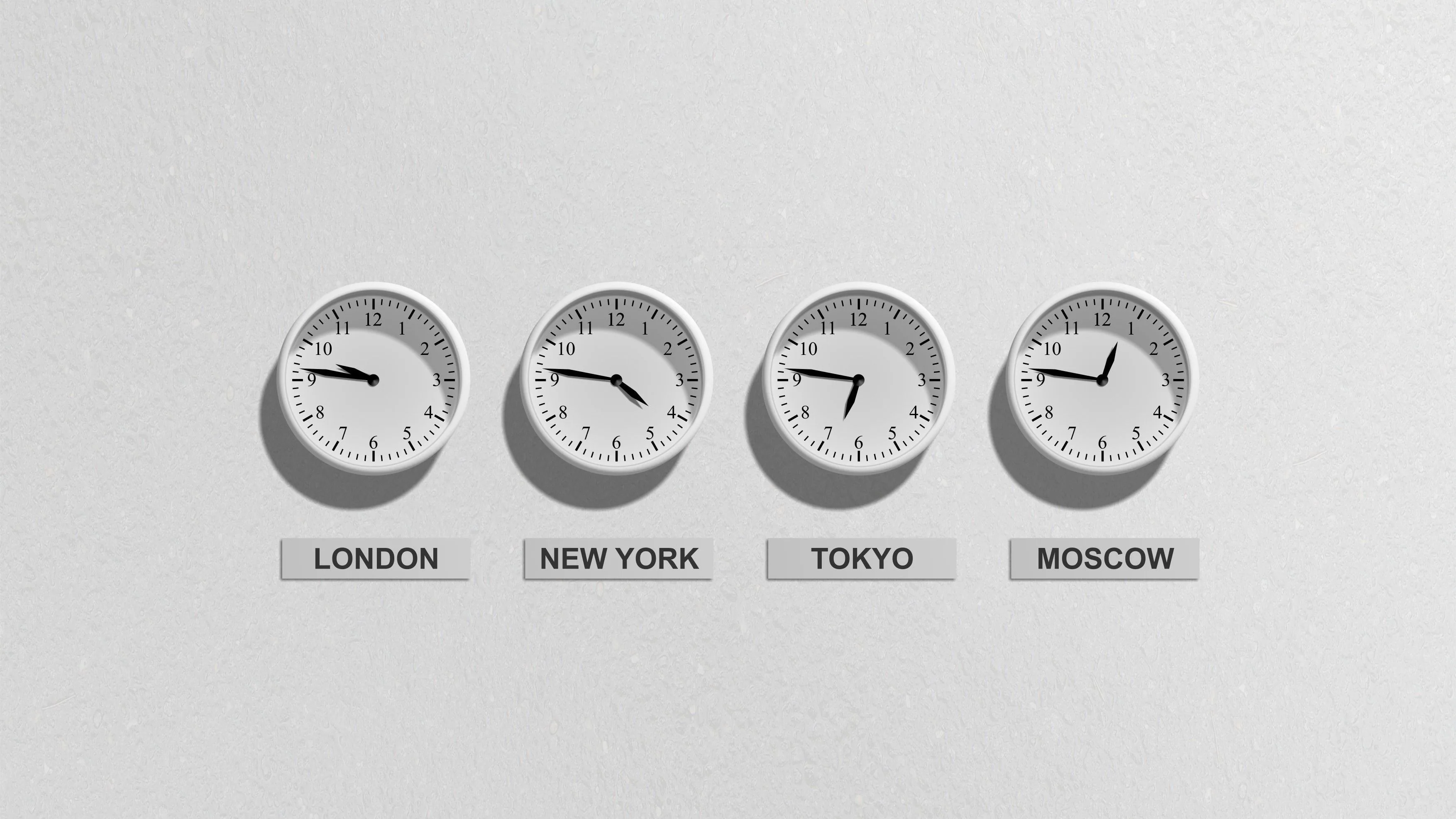
How to Schedule Across Time Zones When the Clocks Change
Use date-specific city time zones, avoid ambiguous hours and keep recurring meetings accurate through daylight saving changes.
-
 Calendar Basics
Why Leap Years Have February 29 and How to Plan for It
Use the Gregorian leap-year rule and check birthdays, repeating events and date counts around February 29.